Are you lost in the world of VAT on digital products and e-services? Businesses in the UK dealing with digital products face big challenges with tax rules. Brexit has made things even more complicated.
Getting VAT right for digital products is not simple. It involves understanding tax rules for things like software downloads, online courses, and streaming services. It’s important for digital businesses to know how VAT works for services sold online across different places.
This guide will help you understand VAT on digital products and e-services. You’ll learn about key things like who needs to register, how to handle transactions across borders, and how to follow the rules to avoid fines.
Whether you’re a small startup or a big e-commerce site, knowing about digital service tax is key. By the end of this guide, you’ll have the skills to handle your VAT duties in the digital world with confidence.
Understanding the Digital Economy and VAT Obligations
The digital economy has changed how businesses work, making tax rules more complex for online services. It’s vital for companies to follow digital economy tax rules in today’s electronic markets. Knowing the detailed rules for digital products and e-services helps businesses stay compliant and competitive.
What Qualifies as Digital Products and E-Services
Digital products include many services delivered electronically without physical need. These are:
- Software as a Service (SaaS)
- Downloadable content
- Streaming media
- Website hosting
- Online advertising platforms
- Cloud computing services
- Digital educational resources
The main thing is automated delivery. For example, an e-book downloaded right away is treated differently in VAT than a physical book. This shows how unique digital services are.
The Shift in VAT Rules for Online Businesses
New laws have changed digital economy tax rules a lot. The 2015 EU VAT rules got rid of the old rules for digital services. Now, small businesses face more complex reporting needs, making sure they get VAT right across the globe.
It’s key for digital businesses to keep up with these changing rules. By being proactive in following these rules, companies can avoid fines and keep their operations running smoothly worldwide.
VAT on Digital Products and E-Services
Understanding VAT on digital products and e-services is tough for digital businesses. It’s key to follow the rules to avoid fines.
VAT on digital goods depends on where your customer is, not where you are. So, you must charge VAT based on where the service is used. This makes international sales of e-services tricky.
- Digital products include online courses, software subscriptions, downloadable templates, and digital assets
- VAT rates vary depending on the customer’s country of residence
- Different rules apply for business-to-consumer (B2C) and business-to-business (B2B) transactions
When selling e-services abroad, consider these important points:
- Determine the correct VAT rate for each jurisdiction
- Understand registration requirements in different countries
- Implement robust accounting systems to track international sales
Many digital businesses think they can dodge VAT by being online only. This is a dangerous misconception. Tax authorities can track digital sales across borders. So, following the rules is crucial for growth.
Digital service providers must keep up with changing VAT rules. These rules can shift fast in the digital world. Getting advice from a tax expert who knows about international e-service taxation is wise.
UK VAT Digital Supplies: The Current Framework
Understanding UK VAT digital supplies needs careful attention to recent changes. Since Brexit, digital service providers must follow new rules and register correctly.
Navigating Post-Brexit VAT Regulations
The UK’s exit from the EU changed VAT rules for digital services. Businesses now face a new UK VAT system that differs from EU rules.
- Northern Ireland has its own rules under the Northern Ireland Protocol
- New UK VAT rules apply for digital services
- Separate registration processes replace previous EU mechanisms
Digital Service Provider Registration Requirements
Knowing about registration is key for UK VAT digital supplies compliance. Important points include:
- UK-established businesses must register when annual turnover exceeds £85,000
- Non-UK businesses selling digital services to UK consumers must register, regardless of turnover
- Timely registration prevents potential penalties
Digital service providers must watch their sales and know the registration thresholds. Proactive compliance is essential to avoid penalties and ensure smooth UK market operations.
Place of Supply Rules for Electronic Services
It’s vital for businesses selling digital services worldwide to grasp vat place of supply rules. These rules decide where you must charge and report VAT for electronic services sold to customers in various places.
For B2C digital services, the rules are clear. You must charge VAT based on where your customer is. You need to figure out the customer’s country using several ways:
- IP address location
- Billing address details
- Bank account country
- Mobile SIM card registration country
Authorities often ask for at least two pieces of non-contradictory evidence to confirm a customer’s location. When selling to EU or UK customers, you must use their home country’s VAT rate.
B2B transactions have different vat place of supply rules. Here, the place of supply is where your business customer is based. The reverse charge mechanism usually applies, making the recipient responsible for VAT.
Understanding these rules demands good documentation and strong verification steps. Each digital service transaction might need special attention, so keeping detailed records is key for VAT compliance.
Cross-Border E-Service Taxation: Navigating International Sales
Selling digital products online can be tricky when you sell across borders. You need to understand different tax rules in each country. This ensures you follow the law and handle your money well.
B2C Digital Supplies VAT Considerations
Selling digital services to people in other countries means you must know about VAT. VAT rules for B2C digital supplies change a lot from one place to another. This can be a big challenge for online businesses.
- Identify specific VAT rates for each target country
- Track sales thresholds for individual markets
- Implement automated VAT calculation systems
- Maintain accurate transaction records
Small businesses need to think carefully about VAT rules in other countries. Some places don’t charge VAT if your sales are below a certain amount. This means you can use your home country’s VAT rates until you hit that sales mark.
B2B Transactions and the Reverse Charge Mechanism
When you sell digital services to other businesses, the rules are different. The reverse charge mechanism makes things easier. It means the buying business handles the VAT, not you.
- Verify the customer’s VAT registration status
- Use VIES validation for European transactions
- Collect and document appropriate VAT evidence
- Understand jurisdiction-specific reporting requirements
To sell digital services internationally, you need a strong tax plan. You should invest in good systems to keep up with cross-border e-service taxation.
The MOSS Scheme for Digital Products and Its Alternatives
Dealing with European VAT on digital services can be tough for online businesses. The Mini One Stop Shop (MOSS) scheme helps make VAT easier across many European countries.
The MOSS scheme for digital products makes VAT simpler for businesses. You can register in one EU country and report all digital sales in one quarterly return.
- Reduces administrative burden for digital service providers
- Simplifies cross-border VAT reporting
- Enables easier compliance with European tax regulations
After Brexit, UK businesses have new VAT challenges. The scheme now has two main options:
- Union Scheme: For businesses in the EU
- Non-Union Scheme: For businesses outside the EU
You can also choose other ways instead of MOSS, like direct country registration or VAT representatives. The One Stop Shop (OSS) scheme, launched in July 2021, offers a broader framework for VAT on digital services.
Choosing the best VAT strategy depends on your business type, sales, and how you manage things. Look at each option carefully to keep your digital services running smoothly worldwide.
Digital Content VAT Rates Across Different Jurisdictions
For online businesses, dealing with digital content VAT rates can be tricky. It’s important to know the tax rules in different places. This helps you charge the right VAT for digital services and products sold worldwide.
Digital services face different VAT rates in each country. It’s crucial for businesses to watch these rates closely. This ensures they follow the rules and report their finances correctly.
Standard Rates vs Reduced Rates
VAT rates for digital content vary a lot between countries. Here are some key points to remember:
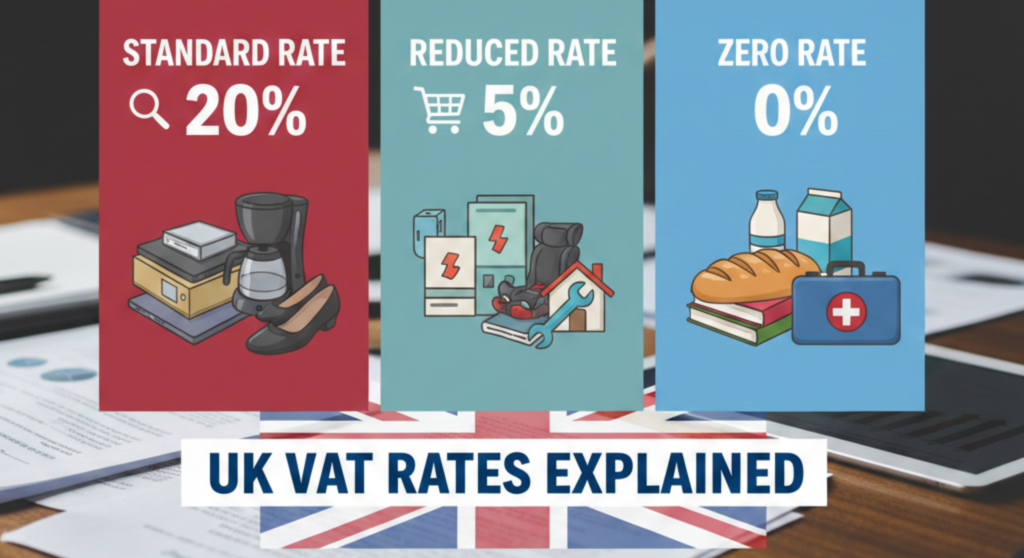
- Standard digital content VAT rates usually range from 17-27%
- In the United Kingdom, the standard rate is 20%
- Some places have lower rates for certain digital products
Zero-Rated Digital Services
Some digital services might not have to pay VAT, especially for education or charity. It’s important to check the local tax laws for these exceptions.
| Country | Standard VAT Rate | Digital Content Rate |
|---|---|---|
| United Kingdom | 20% | 20% |
| Germany | 19% | 19% |
| France | 20% | 20% |
| Ireland | 23% | 23% |
Keep up with digital content VAT rates to keep your finances accurate in different countries.
E-Commerce VAT Obligations and Compliance Best Practices
Dealing with e-commerce VAT can be tough for online businesses. It’s key to know your tax duties to keep sales running smoothly and avoid fines.
Handling e-commerce VAT is more than just collecting taxes. It needs a detailed plan to keep your business safe from legal issues.
- Watch the registration limits in different places
- Figure out where your customers are for VAT
- Have good systems for keeping records
- Keep up with VAT rule changes worldwide
Using special e-commerce sites with VAT tools is a smart move. Geolocation tools help find where your customers are. This means you can charge the right VAT for each sale.
Online shops must keep records of sales for at least six years. These records should show:
- How you checked where customers are
- Details of each sale
- How you worked out VAT
- Any invoices
It’s important to check your VAT compliance often. If things get too complicated, get expert help, especially when you start selling in new places.
Being proactive about VAT can help you avoid problems. This lets you concentrate on making your online business grow.
Conclusion
Managing VAT on digital products and e-services can seem tough. But, with the right strategy, it can become a key business strength. It’s vital to understand the rules for taxing digital services, especially in the UK and abroad.
Your VAT plan should cover a few key points. First, know what digital services you offer. Then, figure out where you supply them. Lastly, set up systems to track and report sales. VAT on digital goods is complex, so you must manage it well.
Keeping up with tax law changes is crucial. Check your VAT status often, maybe with expert help. This way, you stay compliant and avoid fines. Good VAT management boosts your business’s reputation and helps it grow globally.
See VAT compliance as a core part of your business. This way, you’ll handle digital service taxes well. Knowledge and readiness are your best allies in VAT management.